


Resveratrol Cancer: How Resveratrol Stops Cancer and Prolongs Life
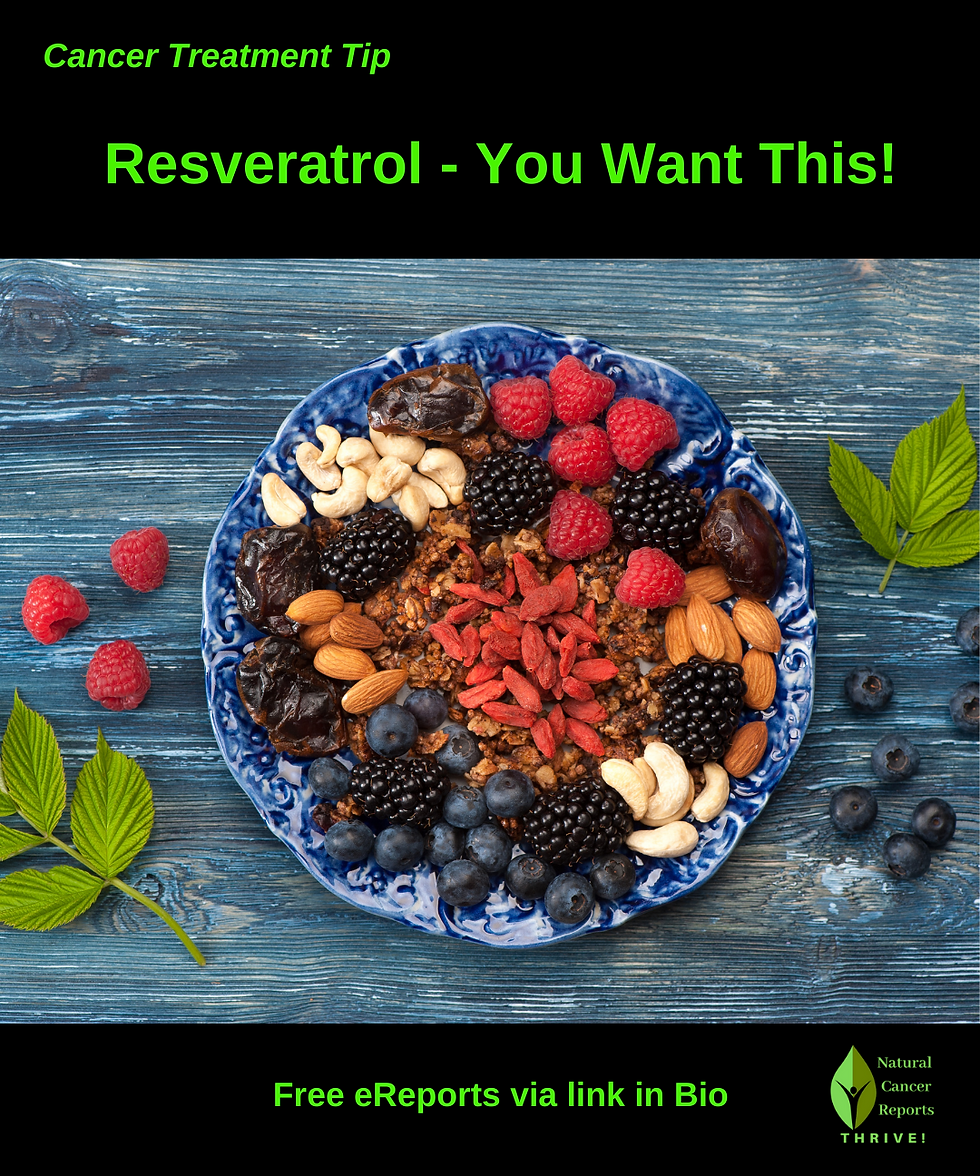
Resveratrol has been shown to prevent cancer formation and prolong lifespan but the mechanism is not fully understood. Researchers studied liver cancer cells in the laboratory to evaluate resveratrol induced changes in cell growth, cell cycle progression and programmed cell death (apoptosis). Resveratrol at lower concentrations induced a strong S-phase cell cycle division delay and mild DNA synthesis without causing apoptosis or necrotic cell death. Resveratrol at high concentrations induced apoptosis (normal cancer cell death). Researchers hypothesize the S-phase cell cycle delay may represent a useful mechanism for lifespan prolongation and cancer prevention. When cell cycles are slowed down in the S-phase it would increase the total lifespan of an organism if the total numbers of cell divisions are assumed to remain basically constant. When cells proceed through cell cycles at a reduced pace during DNA replication, it may allow cells more time to repair the damaged DNA, and reduce the chances for tumor initiation.
Resveratrol is found in peanuts, pistachios, grapes, red and white wine, blueberries, cranberries, and even cocoa and dark chocolate.


Comments